Hope for Polar Bears
Posted at 8:26 pm November 8, 2009 by Ron Swaisgood
Ron is in Churchill, Manitoba, Canada, working with Polar Bears International. Read his previous post, Reaching Out for Polar Bears.
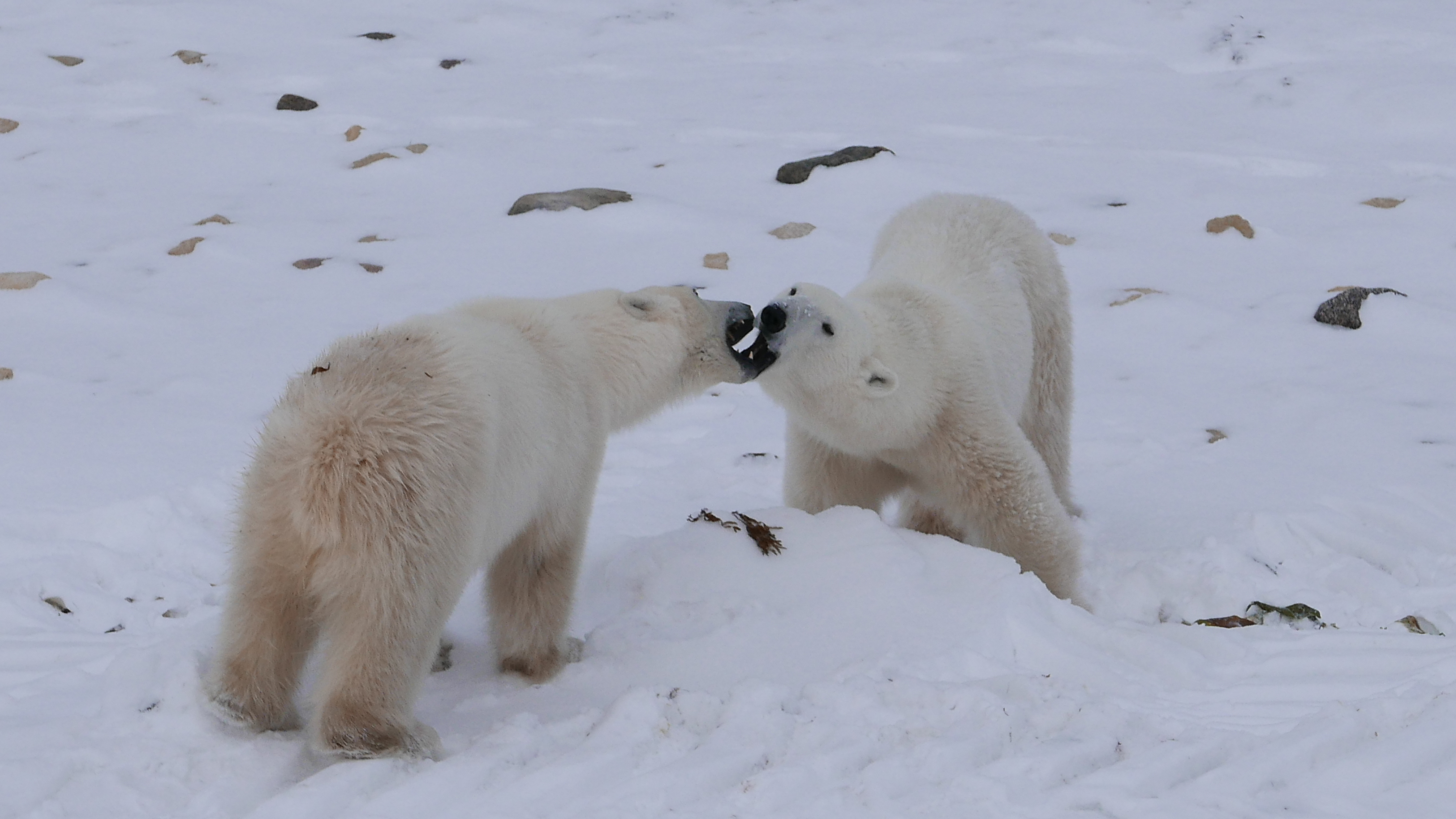
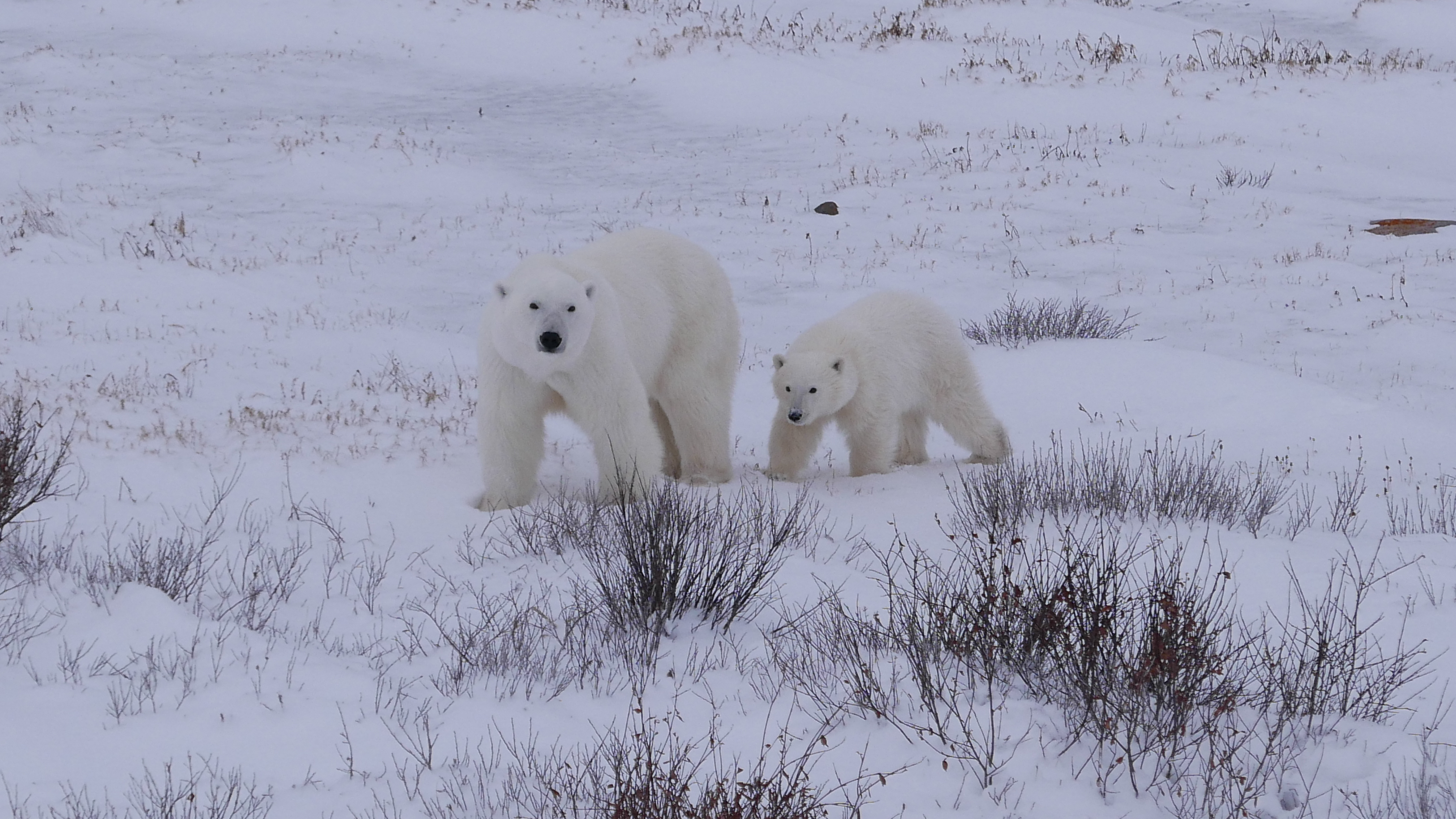
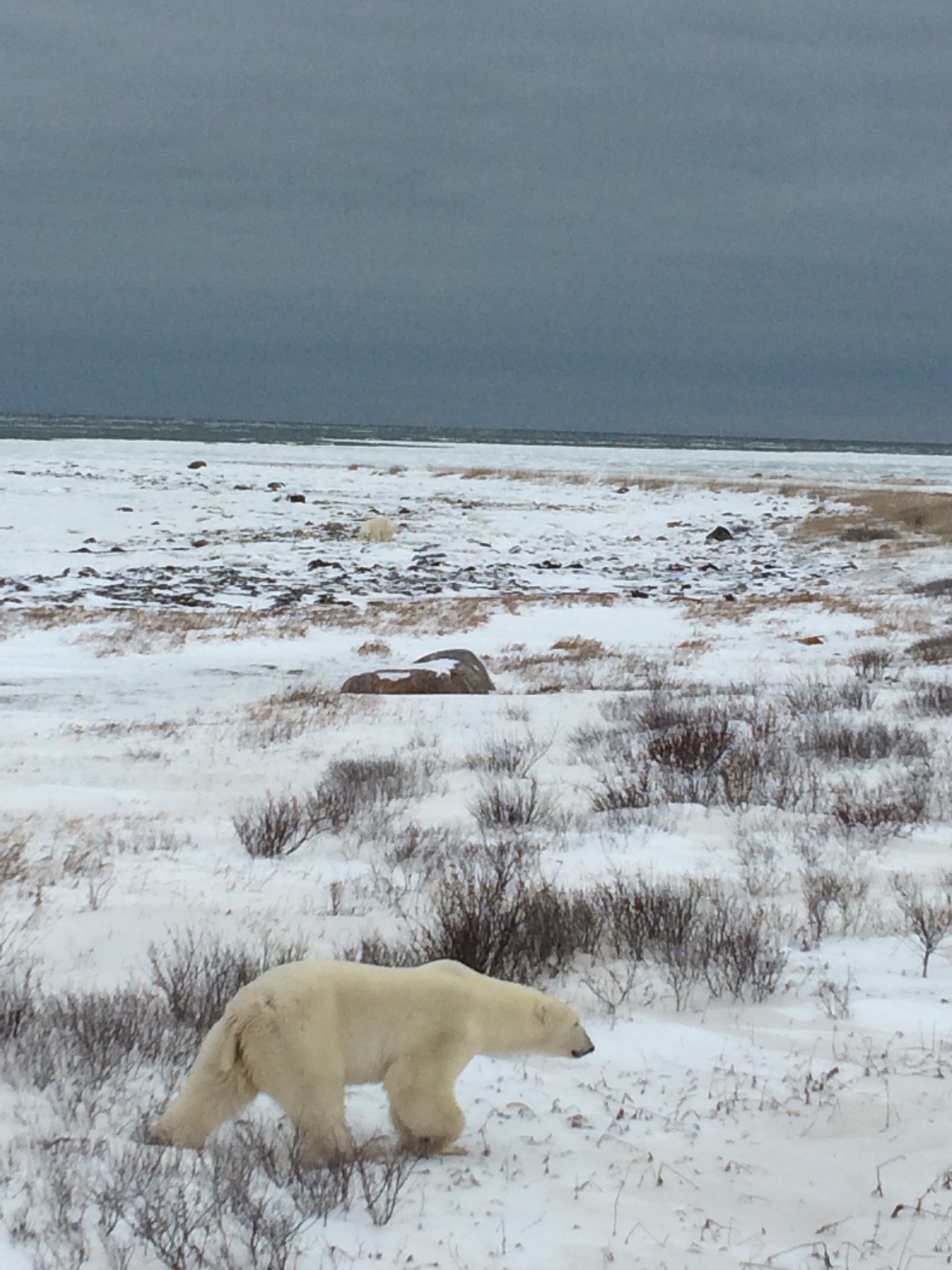
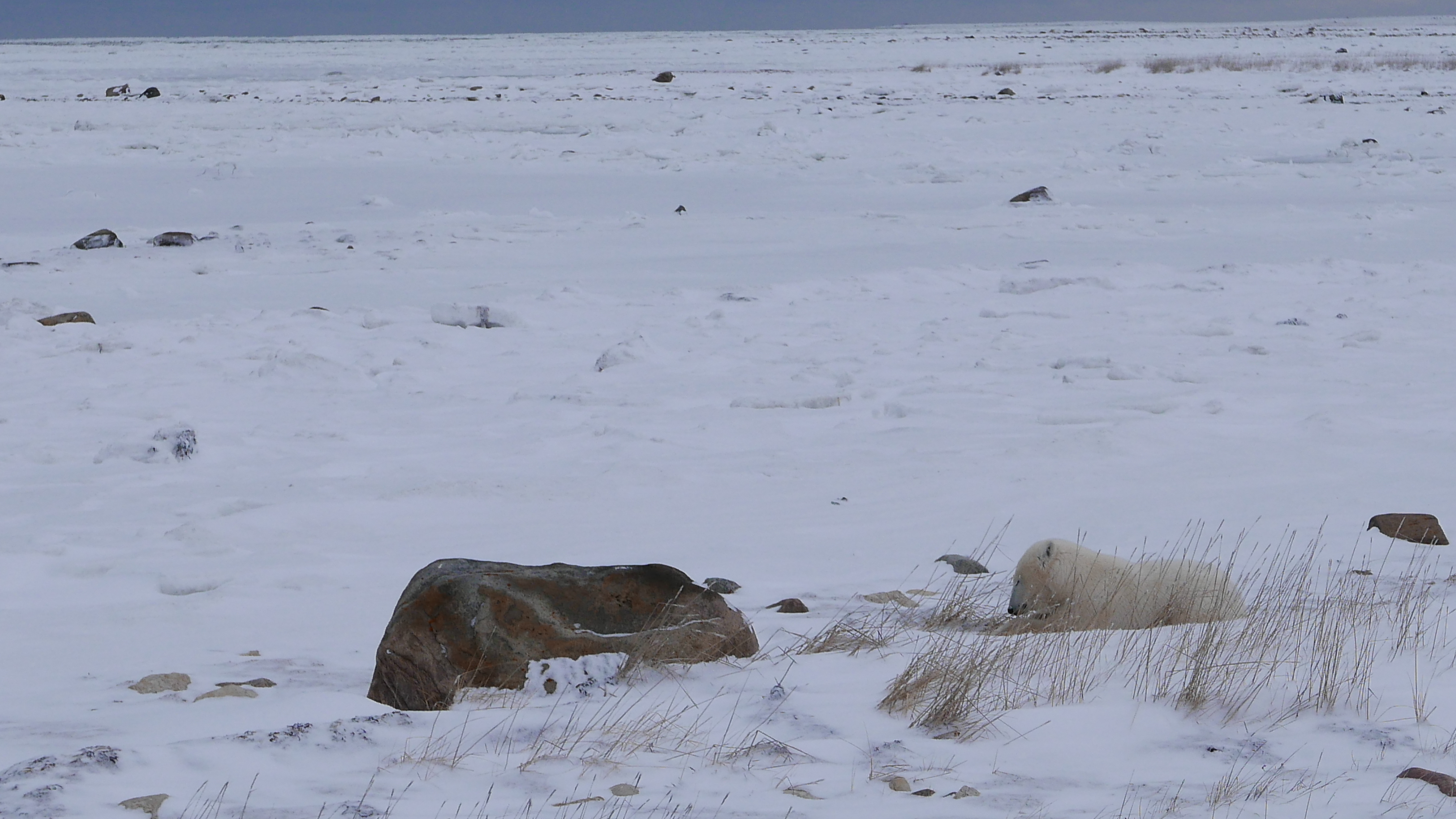
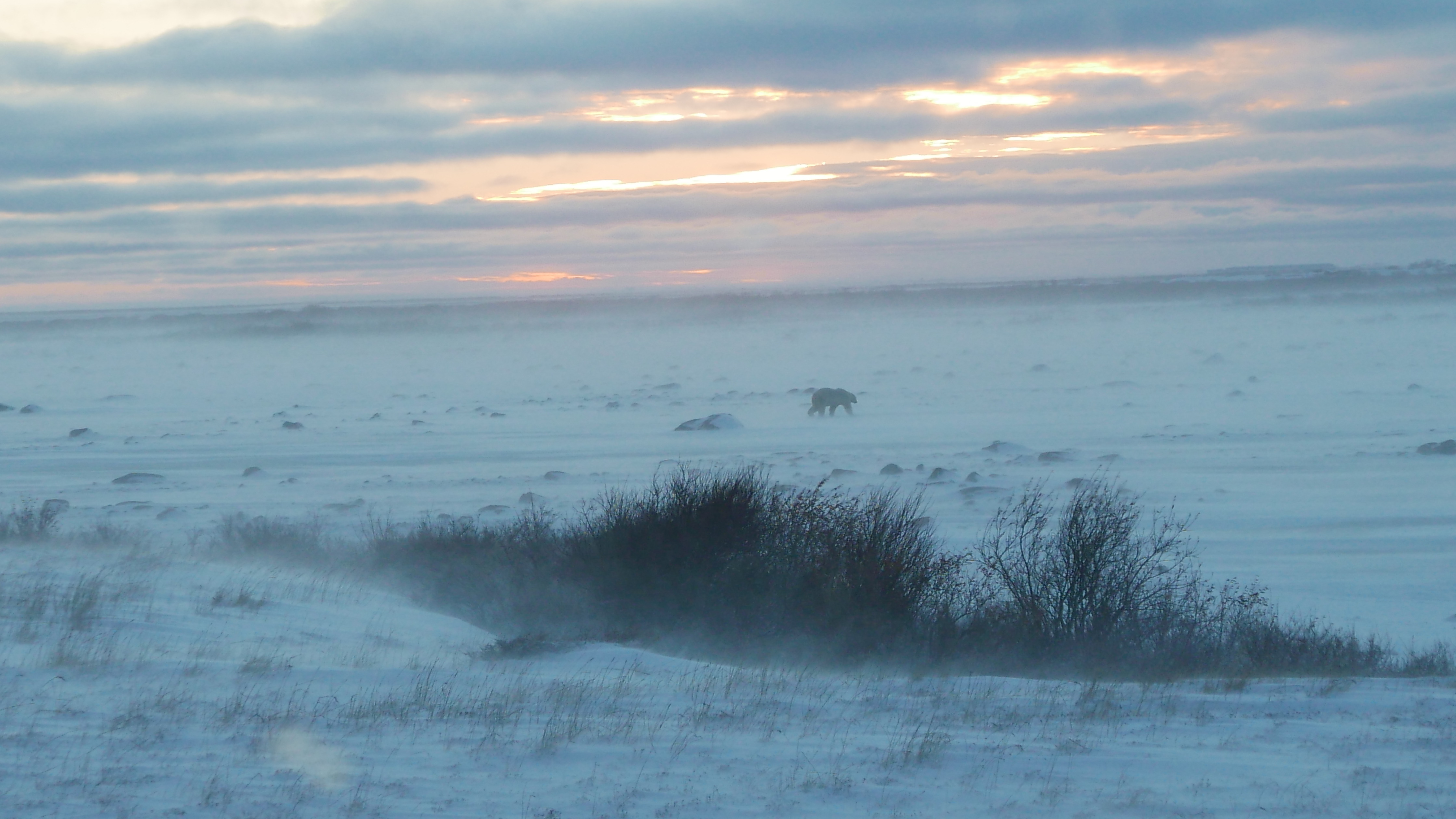
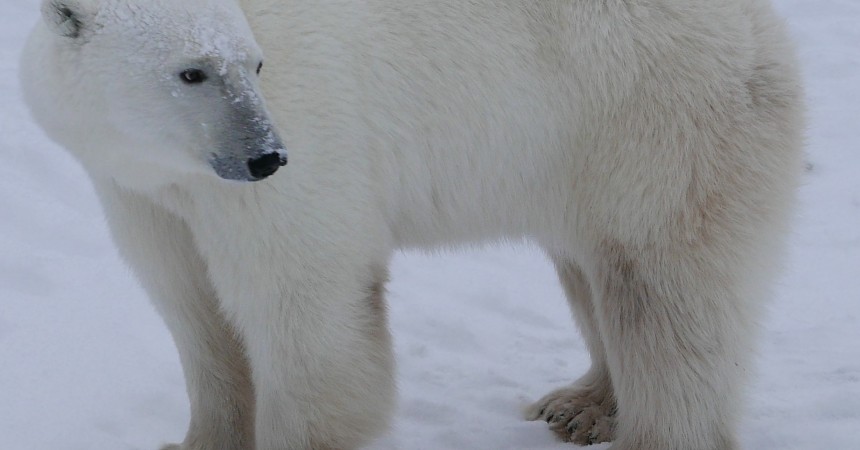
What I want to talk about to today is hope—hope for conservation, and hope for our planet even though it is facing unprecedented environmental challenges. I’m in Churchill in Manitoba, Canada, working with friends and collaborators at Polar Bears International. It’s a surreal experience going out on the Tundra Buggies and seeing wild polar bears. But underneath this joyful experience there is also sadness, because I know that this “polar bear capital” may one day have no polar bears. By now, most of us know that the polar bears are losing their sea-ice habitat and here, at the southern end of their range, they will disappear first. We’ve already lost almost a quarter of them in the past 15 years. In another 15, there may be no polar bears left in Churchill.
So, given this gloomy scenario, why am I writing about hope? Well, what’s the alternative? Despair? Gloom and doom? That never got anyone anywhere. Yes, we have to face up to this crisis, but the good news is that we are the ones that got us into this mess, so we can get us out. We’re consuming too many resources. We use energy like there’s no tomorrow. But there is a tomorrow, for us and for nature. We have to change our ways. If we do, if we make those daily decisions to do the right thing, it will make a difference. I won’t go into what doing the right thing is here—we know the answer more or less: turn off the light; turn down your thermostat; drive less, carpool more; keep our forests. All these things help us reduce our carbon footprint and slow down the climate change we set in motion by overproducing these greenhouse gases.
So, today, why am I hopeful? Well, it’s inspiring to be here with these people, the people affiliated with Polar Bears International who are so passionate, so dedicated to making a difference. We are doing something—that always gives hope. We are reaching out to students around the country and helping them to understand climate change, its impacts on polar bears and other wildlife, and how they can do something. Doing something always helps create hope. I recommend YOU do something. It will make you feel better, I promise.

Part of the PBI Team: Evan Richardson, a wildlife ecologist for Environment Canada and a Ph.D. student at University of Alberta.
We’re also working with many other zoos in the Association of Zoos and Aquariums to fill in other information gaps—things that the field biologists don’t know because it is too difficult to study in the wild bears that range over hundreds of miles in search of seals. Things like reproduction, physiology, and olfactory communication. And, most importantly, we are talking about climate change and all the threats to nature as we know it. We are talking to anyone who will listen. We have to get this message out, now, before it’s too late.
And I have hope because I look around and see people talking more about going green. I see business and government investing in green technology. Maybe more people will walk the talk. Maybe the momentum is starting to change. Maybe we can reverse climate change and other destructive activities. I hope so.
Ron Swaisgood is director of Applied Animal Ecology for the San Diego Zoo’s Institute for Conservation Research.
Watch the San Diego Zoo’s polar bears daily on Polar Cam.
You can follow any responses to this entry through the RSS 2.0 feed. You can leave a response, or trackback from your own site.

November 9th, 2009 at 7:50 am
Super informative post Ron!! Yes, we can make the changes – each one of us in many small ways which all adds up. It only takes a little personal time to think about what we each can do. Welcome to Canada – we’re glad you’re here performing this important work!!
November 9th, 2009 at 9:00 am
Ron, I’m so pleased to hear there is work being done in and around Churchill. For years, it has been one of my dreams, to go to Churchill to see the bears while it is still possible. And I love that you’re talking about hope instead of doom and despair. What a wonderful attitude. I look around and I do NOT see business and government going green. There has been a “Green” political party here in Canada for a long time but its growth is slow because so few people understand what we’re doing to our planet and its animal inhabitants. I live in the sunniest city in Canada, but do we have solar panels on our south-facing roof? No, we do not, and nor do our neighbors. A very few new houses have been built with geothermal heating, which is progress. We live in a virtual desert, but do we recycle grey water (dishwashers, bathtubs, showers, sinks) to water our lawns and flower gardens, keeping fresh water for drinking, cooking and vegetable gardens? No, we do not. And, as residents of the very sensitive prairie, do we often talk about “climate change and all the threats to nature”? We don’t, but I’m glad you do.
November 10th, 2009 at 8:32 am
It is nice to hear and see the pictures of the people who are educating and learning about the polar bears in the wild. I think it makes everyone aware of how we must protect them and the enviroment. Good job!
Some of the best and very interesting stories on the blog are are about our San Diego bears and what they are doing on a day to day basis. It is so fabulous to see pictures of them with their trainers and how they are interacting during their activities. I check out the blog every single morning and reread everything about the three bears.
November 10th, 2009 at 10:19 am
Well, I hope one day we can turn things around. I just read on the internet, a story of an uncle and nephew who went polar bear hunting. The nephew who was caught a drift on a piece of ice that broke off, shot a mother polar bear, leaving her two cubs orphans. That just saddened me. That is not going to change unless a law is put into effect making it illegal to shoot a mother with cubs, and or shoot her cubs.
So not only is global warming an issue. Hunters are still a huge issue in the plight of the polar bear.
This was just unnecessary, and unfortunate for those two cubs who will now die without their mother.
November 10th, 2009 at 11:45 am
There is a news item on the BBC today about a boy who was trapped on an ice floe with a female polar bear and her two cubs. He shot the mother before being rescued. What’s happened to the cubs?
November 10th, 2009 at 12:45 pm
Wonderful update ! ! ! Looking at things positively always sends out the positive ripple effect so keep it going!
November 10th, 2009 at 1:07 pm
# 5 Rita. Please read my other comments. The cubs are orphans.
November 10th, 2009 at 2:51 pm
Tatqiq and Kalluk were orphans when they were turned over to the San Diego Zoo. If the cubs could be retrieved in a timely manner, I’d think there would be a chance for their survival.
November 10th, 2009 at 5:24 pm
As the most recent story on the internet said, regarding the story of the teen hunter, who shot a mother polar bear. The cubs remained with their dead mother on the ice.
November 11th, 2009 at 6:54 am
So sad, those little polar bears! I shed a tear!
November 11th, 2009 at 2:21 pm
This sort of thing makes me despair. Sorry to sound harsh, but these people should be culled at birth.
November 11th, 2009 at 4:40 pm
# 11. Well as far as I was concerned, if they were going to leave the carcass of the mother there with her cubs, what was the purpose of the hunt ?? I’m against hunting altogether, but the polar bears numbers should be allowed to go up, before hunting is even considered each season. In a perfect world, hunting of polar bears, or any animal for that matter would be stopped, and against the law !
November 12th, 2009 at 9:46 am
The hunters were Inuits. They are probably allowed to hunt polar bears because it is part of their heritage.
November 13th, 2009 at 12:29 am
The papers over here have only just reported on this incident. Yes, the boy was out with his father when he got trapped on the ice floe. I know that Inuits are allowed to hunt as they only hunt for food, not sport, but I hope that the bear was killed only out of necessity because it was becoming aggressive. I appreciate that a polar bear is dangerous, but I just feel so sad for those two babies and I hope that they have been rescued. I doubt if we’ll hear about that over here, so if any of you can find out what has happened to those poor cubs, please let me know.